

Blog
African Men’s Fashion: A Tribute to Culture, Identity, and Contemporary Style

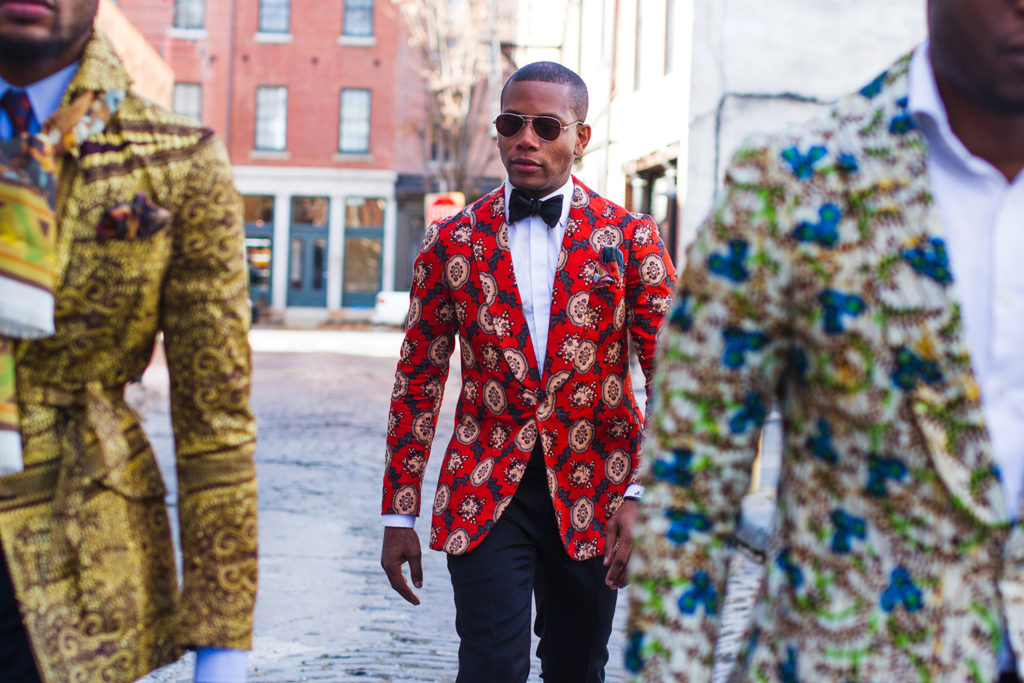
Fashion transcends mere garments; it serves as a significant means of self-expression, cultural heritage, and storytelling. For men in Africa, fashion has historically been a medium to honor their roots, highlight personal uniqueness, and welcome modern trends. The fashion landscape for African men is a lively fabric interwoven with tradition, creativity, and international influences, making it one of the most vibrant and thrilling fashion arenas worldwide today.
The Foundation of Men’s Fashion in Africa
African fashion is intricately linked to the continent’s vibrant history and its varied cultures. Each area, ethnic group, and community boasts its distinct textiles, designs, and styles that have been inherited over the years. Traditional attire such as the agbada (Nigeria), kente (Ghana), dashiki (West Africa), and kanzu (East Africa) serve not only as clothing but also as emblems of status, heritage, and pride.
The Emergence of Modern African Men’s Fashion
In recent times, the fashion landscape for African men has experienced a revival, combining traditional influences with contemporary styles. African designers are increasingly receiving global acclaim for their creative designs, skillful craftsmanship, and capacity to convey narratives through apparel. Brands such as Orange Culture (Nigeria), Rich Mnisi (South Africa), and Tokyo James (Nigeria) are transforming the concept of what it means to dress as an African man in today’s world.
Blending Styles: Modern African fashion frequently blends traditional fabrics and patterns with Western styles. For instance, a suit constructed from Ankara or kente fabric has become a popular selection for contemporary African men who wish to celebrate their heritage while remaining fashionable.
Influence of Streetwear: The trend of African streetwear is growing, with emerging designers crafting vibrant, avant-garde pieces that capture urban culture. Imagine graphic t-shirts adorned with African proverbs, distressed jeans paired with traditional prints, and sneakers featuring African-inspired designs.
Commitment to Sustainability: A number of African designers are adopting eco-friendly approaches, utilizing locally sourced materials as well as time-honored techniques such as hand-weaving and dyeing. This not only bolsters local economies but also encourages sustainable fashion practices.
The future of African fashion
The future for African men’s fashion is promising. As global connectivity increases, designers from Africa are discovering innovative methods to share their narratives and shape worldwide trends. Social media has been instrumental in this process, enabling designers to connect with a broader audience and motivating young African men to celebrate their cultural heritage proudly.
African men’s fashion has transcended its traditional boundaries. It is now making an impact on international runways, red carpets, and in the closets of celebrities worldwide. Figures like Burna Boy, Black Coffee, and Peter Nyong’o, the brother of Lupita Nyong’o, have emerged as fashion icons, demonstrating the sophistication and variety of African attire.
Events such as Lagos Fashion Week, South Africa Fashion Week, and Accra Fashion Week are among the many that showcase the ingenuity and skill of African designers. These occasions not only honor African fashion but also create avenues for designers to reach global audiences.
Additionally, the rising fascination with African fashion has resulted in partnerships between African designers and global brands, reinforcing the continent’s standing in the international fashion scene.


